

Why Does Being Google Analytics Certified Matter?
It’s really important to keep professional accreditations current, so yesterday I brushed up on the latest Google Analytics developments and retook the Skillshop Google Analytics certification.
I’m happy to say I passed the exam with 88%, reaffirming my deep understanding of the Google Analytics data model, and my ability to provide clients with intelligent, data-driven marketing decisions.
What does the Google Analytics certificate mean in terms of the expertise at your disposal?
Taking the Skillshop certification in Google Analytics isn’t a fluffy check-box exercise – there are 38 sections in the course, broken down into 5 modules, with a timed assessment at the end. Certification lasts just 12 months, so it’s a commitment to stay up-to-date.
I do it because it having a deep knowledge of Google Analytics means I can use every scrap of the platform’s vast range of features to make better informed decisions about your site’s performance, and your business’s next steps.
Set up and configure your Google Analytics property
Google Analytics only becomes useful if it’s collecting the right information in the first place. A poorly configured account can produce incomplete, misleading or unnecessarily confusing data – which rather defeats the object!
Google Analytics certification demonstrates an understanding of how to set up and configure GA4 so it reflects the way your website and business actually work. That includes making sure data is being collected correctly, understanding how different website interactions are recorded, and configuring the property so that the information you’re likely to need is easier to find and interpret.
For a client, that means you’re not simply being handed a standard analytics installation and told, “There you go.” Your set-up can be tailored around the website and the questions the business genuinely needs answered.
Translate your business objectives into measurable actions
If I’m carrying out an SEO audit for your website, or putting together an ongoing SEO strategy, making sure I’m working with full and accurate data from GA4 is one of the most important foundations for that work.
Website traffic on its own doesn’t tell you very much. More visitors can be encouraging, but the more important question is usually: are those visitors doing anything useful once they arrive?
This is where your business objectives need to be translated into things that Google Analytics can actually measure.
For example, if your aim is to generate more enquiries, I might set up GA4 to track visitors who submit a contact form, click an email address or tap a phone number. If you want to know when people download a brochure, request a quote, book an appointment or visit an important service page, those actions can also become part of the measurement plan.
The point is to move beyond simple reporting, such as “website traffic increased by 15%” and start asking much more useful questions, such as:
For SEO in particular, this is important because rankings and traffic are not the end goal. They’re a means of attracting the right people and encouraging them to take an action that matters to your business.
Gain critical insights into your website’s performance data
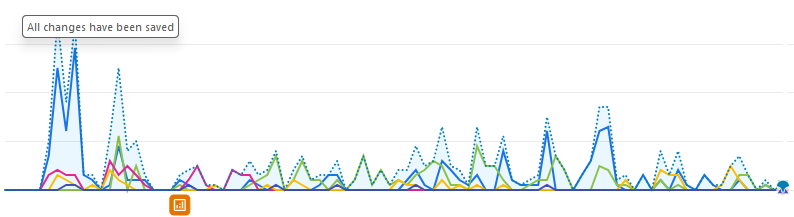
Google Analytics contains an enormous amount of information. The skill lies less in producing a dashboard full of numbers and more in knowing which numbers matter, what they are telling us, and what your business should do about them.
Used properly, Analytics can help answer practical questions about how people find and use your website. We can see which marketing channels bring visitors in, which landing pages attract them, how users move around the site, and which visits ultimately lead to valuable actions.
That can uncover both opportunities and problems.
For example, a service page might receive plenty of organic traffic but generate very few enquiries. That could suggest that the page is attracting the wrong search audience, failing to answer an important question, or simply not giving visitors a clear enough next step.
Conversely, another page may receive relatively modest traffic but convert a high proportion of its visitors, making it a particularly valuable page to support and improve.
Analytics data therefore becomes more than something you glance at once a month. Combined with SEO data from tools such as Google Search Console, it can help inform decisions about which pages to improve, what content to create, where visitors are dropping away, and where your SEO efforts are producing genuine business value.
And that’s really where the value of Analytics expertise lies: not in being able to find your way around GA4’s many reports, but in being able to turn the data into useful decisions.
Do you have trouble interpreting your GA4 data? Or not sure your account is set up properly? I can probably help – get in touch for friendly advice.

About Mandy Cochrane
Mandy Cochrane is an independent SEO consultant with more than 15 years’ experience helping businesses improve their visibility in search. She specialises in SEO audits, strategy and content, with a practical, plain-English approach that helps businesses understand what needs fixing, what matters most and where their time and budget will have the greatest impact.
Connect: